ISO 27001 Readiness for Growing Companies: What to Put in Place First
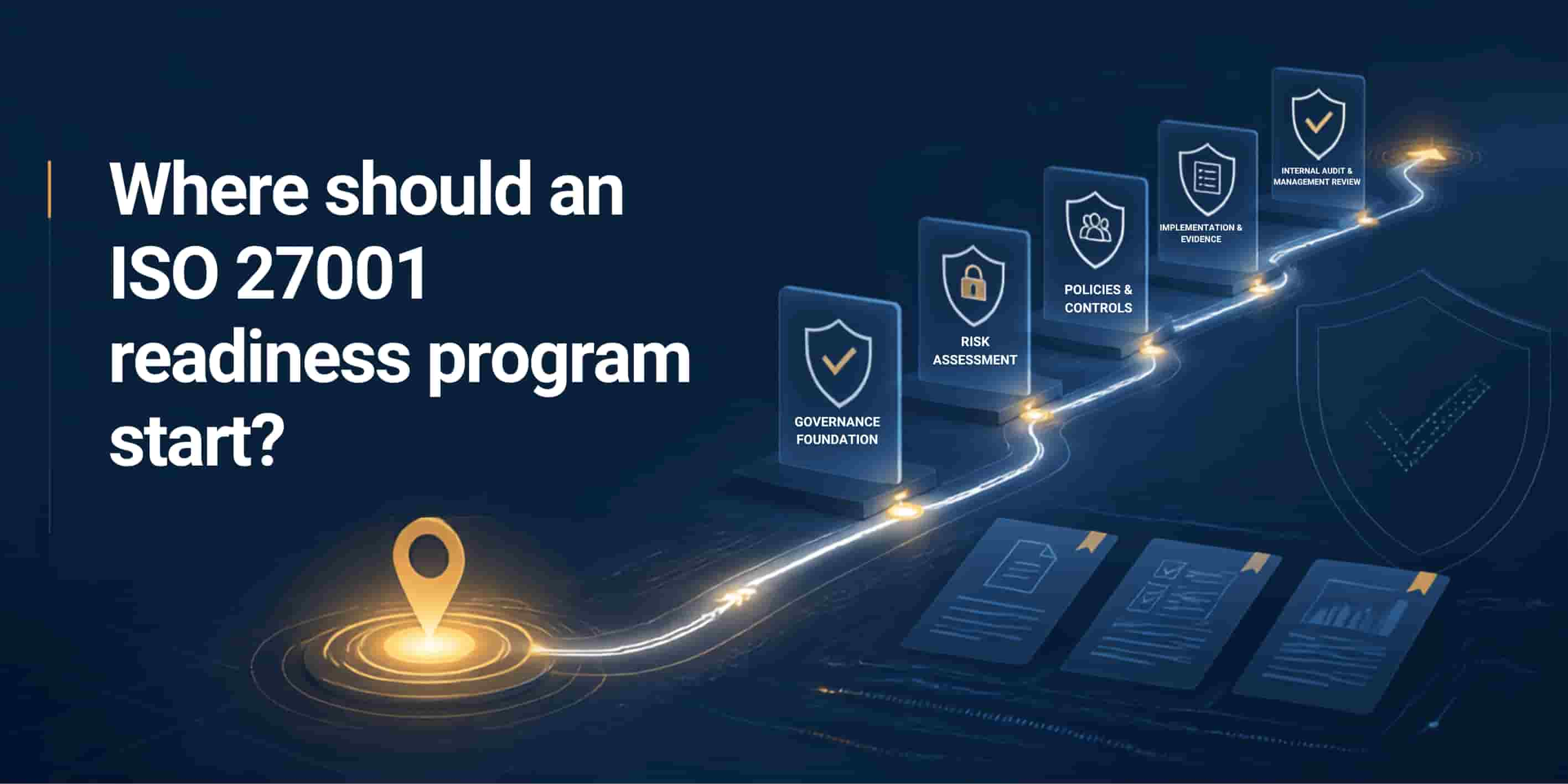
ISO 27001 readiness works best when scope, risk ownership, evidence habits, and operating controls are established before a formal audit timeline begins.
Key Takeaways
- Start ISO 27001 readiness by defining scope and accountable owners.
- A useful risk assessment is more important than a long policy library.
- Evidence should be collected as work happens, not rebuilt during the audit.
- Certification is easier when controls match how the company actually operates.
Where should an ISO 27001 readiness program start?
Start with scope, risk ownership, and a practical control baseline before writing a large policy set.
Many companies begin ISO 27001 with templates. That can help, but it should not be the first move. The first move is deciding which products, teams, infrastructure, and business processes are inside the information security management system.
Once scope is clear, assign control owners and create a lightweight risk register. This makes the program operational instead of theoretical.
Stay ahead of security and compliance risk
Get practical ISO 27001, SOC 2, and privacy readiness guidance in your inbox.
What evidence should teams collect early?
Collect evidence for access reviews, change management, vendor reviews, backups, incidents, risk treatment, and management review.
Audit readiness depends on repeatable evidence. Screenshots and one-off documents are weaker than recurring records that show the control is operating.
A simple evidence calendar helps teams remember monthly, quarterly, and annual activities before the certification audit begins.
What mistakes slow down ISO 27001 certification?
The most common mistakes are unclear scope, generic policies, missing ownership, and controls that do not reflect daily operations.
A policy that says every vendor is reviewed annually is risky if the company has no owner, no vendor list, and no review record.
The strongest programs translate requirements into routines that teams can actually follow.
Frequently Asked Questions
Is ISO 27001 only for large enterprises?
No. Growing companies often pursue ISO 27001 to support enterprise sales, improve security governance, and answer customer due diligence requests.
How long does ISO 27001 readiness take?
Timelines vary by scope and maturity, but many growing companies need several months to establish controls, evidence, and review cycles.
Sources & References

Written by
Ankit Manglik
Co-Founder, Cybersecurity and Compliance
Ankit brings 25+ years of experience across GCCs, finance, cybersecurity, internal audit, privacy programs, and enterprise compliance.
View author profileRelated Services
Need help preparing for ISO 27001?
Interakson supports gap analysis, policy development, risk treatment, and audit readiness.
Explore Cyber Security ServicesShare this article
Stay ahead of security and compliance risk
Get practical ISO 27001, SOC 2, and privacy readiness guidance in your inbox.
You may also like
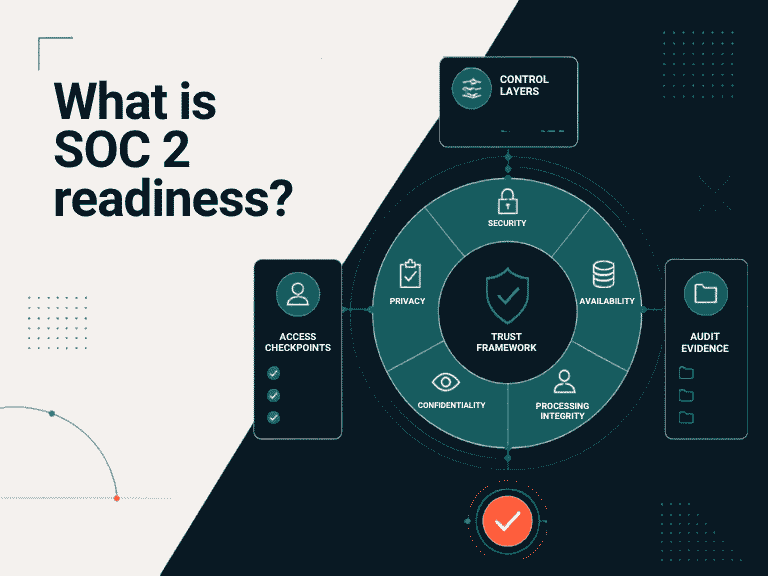
SOC 2 Readiness: The Controls That Matter Before the Auditor Arrives
A control-first SOC 2 readiness guide for teams preparing for customer security reviews.
When a Fractional CISO Makes Sense for a Growing Business
How to know when security leadership is needed before a full-time CISO is justified.